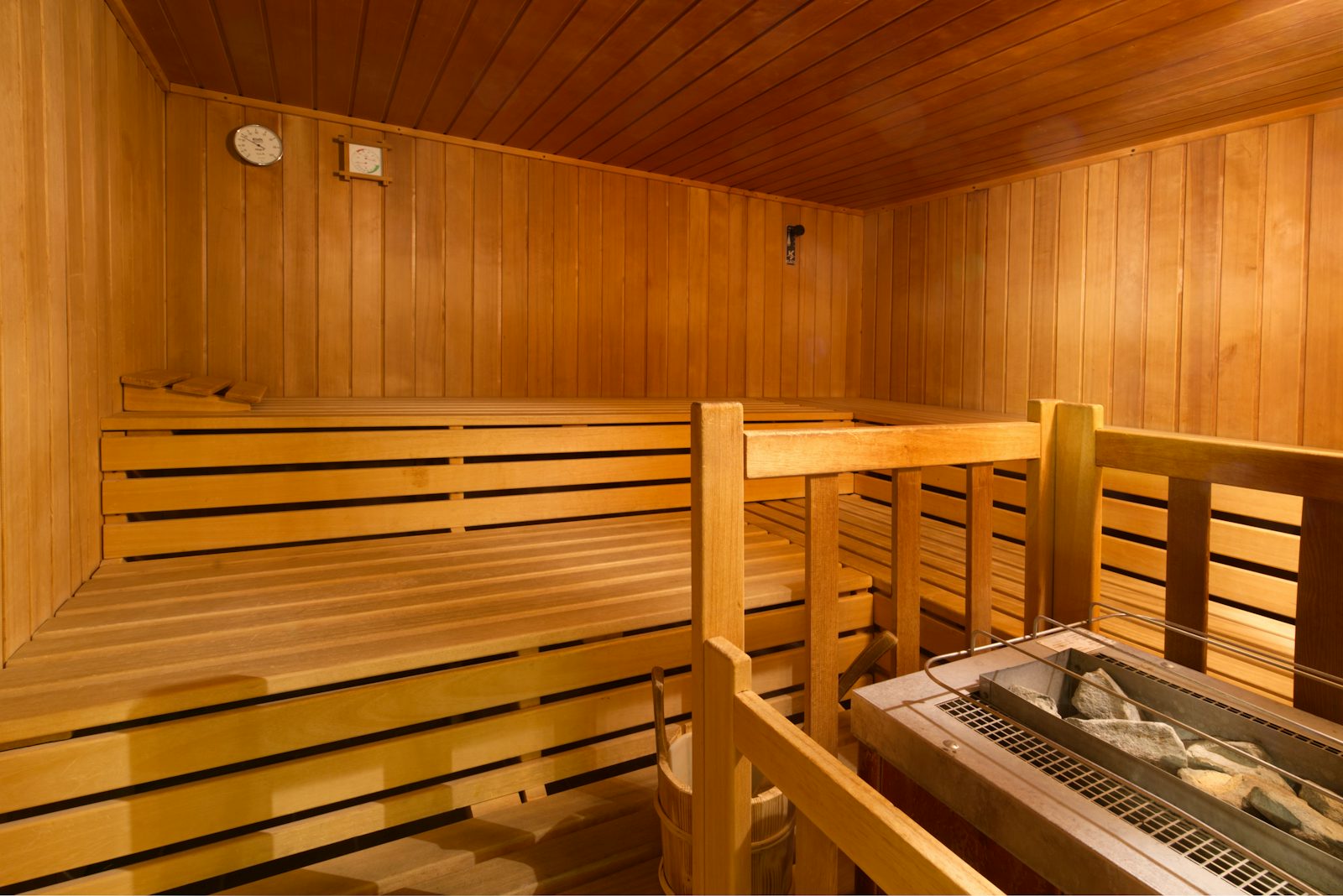
Long before anyone sold a sauna online, people were building hot rooms to sit in.
The Romans built public bathhouses with heated rooms, including dry, hot rooms made for sweating, where people went to unwind, talk and spend an afternoon. In Finland, the sauna has been part of everyday life for centuries: a place to warm up, get clean and switch off after a long day. It’s one of the few Finnish words the whole world uses. Russia has its banya, Turkey its hammam. Different cultures, different rooms, same idea: get warm, slow down, come out feeling better.
A habit doesn’t survive that long by accident. It survives because people like how it makes them feel.
What a session actually feels like
The first few minutes are just warmth, like stepping into the sun on a cold day. Then your skin flushes, your heart picks up a little, and you start to sweat. Your breathing slows. There’s nothing to do in there, and that’s the point: no phone, no email, nobody asking you for anything.
Most people stay 10 to 20 minutes. When you step out and cool down, whether that’s a cool shower, fresh air, or just sitting quietly, comes the part people talk about most: a loose, calm, slightly heavy feeling, the kind that makes the rest of the evening move slower. Plenty of people say they sleep better on sauna nights.
That feeling is the real product. Most people don’t buy a sauna for a list of benefits. They buy it for twenty quiet minutes a day.
How people use one at home
There’s no single right way, but most home routines look something like this:
- One to three rounds of 10 to 20 minutes. Beginners start shorter and at lower heat.
- A cool-down between rounds. A shower, a walk outside, a cold plunge if you have one.
- Water before and after. You’ll sweat more than you expect.
- A regular time slot. After a workout, or in the evening to wind down. The ritual works best when it becomes a habit.
What to think about before you buy
A home sauna is a real purchase, and the specs that matter most aren’t the ones on the front of the brochure.
Where it will go. Indoor saunas fit in a spare room, basement or garage. Outdoor models need a level base and some protection from the weather. Measure the space, including the door swing, before you fall for a model.
What power it needs. Many smaller infrared units plug into a standard household outlet. Most traditional saunas and larger cabins need a dedicated 240V circuit, which usually means paying an electrician. Check this first: it can change the total cost more than any upgrade.
Infrared or traditional. Traditional saunas heat the air and run hot. Infrared saunas warm you more directly at lower air temperatures and feel gentler. Neither is “better.” It comes down to how much heat you enjoy. We compare them side by side in our infrared vs. traditional guide.
What the warranty really covers. “Lifetime warranty” can mean very different things. Read the fine print for three details: whether labor is included or only parts, who pays to ship replacement parts, and whether the warranty transfers if you sell your home. Two warranties with the same headline can be worth very different amounts.
How many people will use it. A one-person unit is cheaper and heats faster. If you picture sharing it with a partner or friends, size up now. It’s the one thing you can’t change later.
The honest part
A sauna isn’t magic, and it won’t cure anything. It’s a warm, quiet ritual that most people find deeply relaxing, and that’s reason enough to want one.
Keep it safe: skip alcohol before a session, drink water, and get out if you feel dizzy or unwell. If you’re pregnant, have a heart condition, or take medication that affects your blood pressure, check with your doctor before you start.